A Place to Call Home
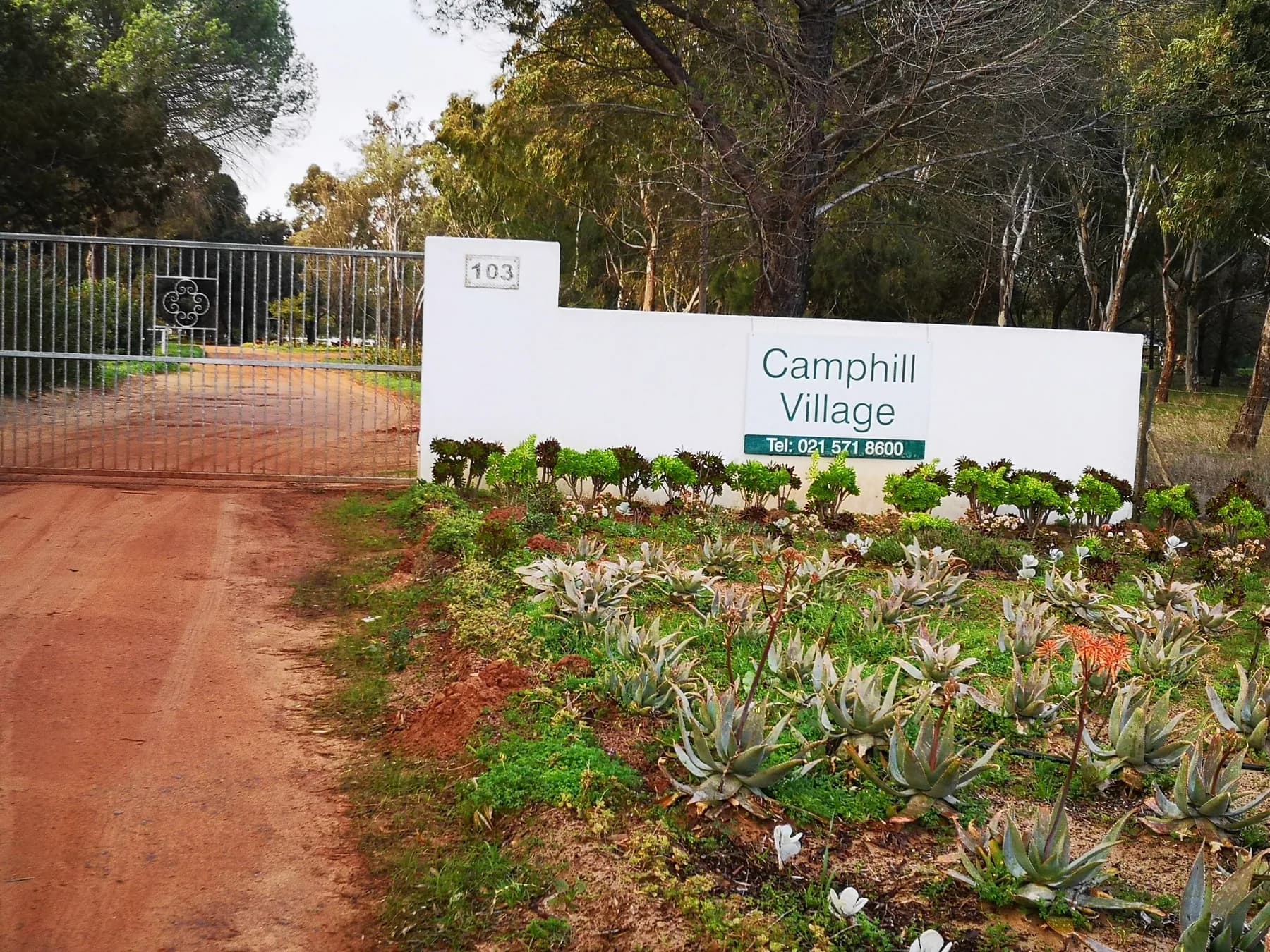
Camphill Village provides a safe, supportive home for 100 adults with intellectual disabilities. Located just 40km north of Cape Town, the village includes 13 homes and a range of enterprises that create opportunities for meaningful daily work, and for a shared life.
- Enterprises
- 4
- Years of experience
- 62
Life Together
Residents live alongside home leaders and volunteers in a life-sharing environment, sharing homes, meals, and everyday moments. Some live independently, some as couples, all as part of a connected and caring community.
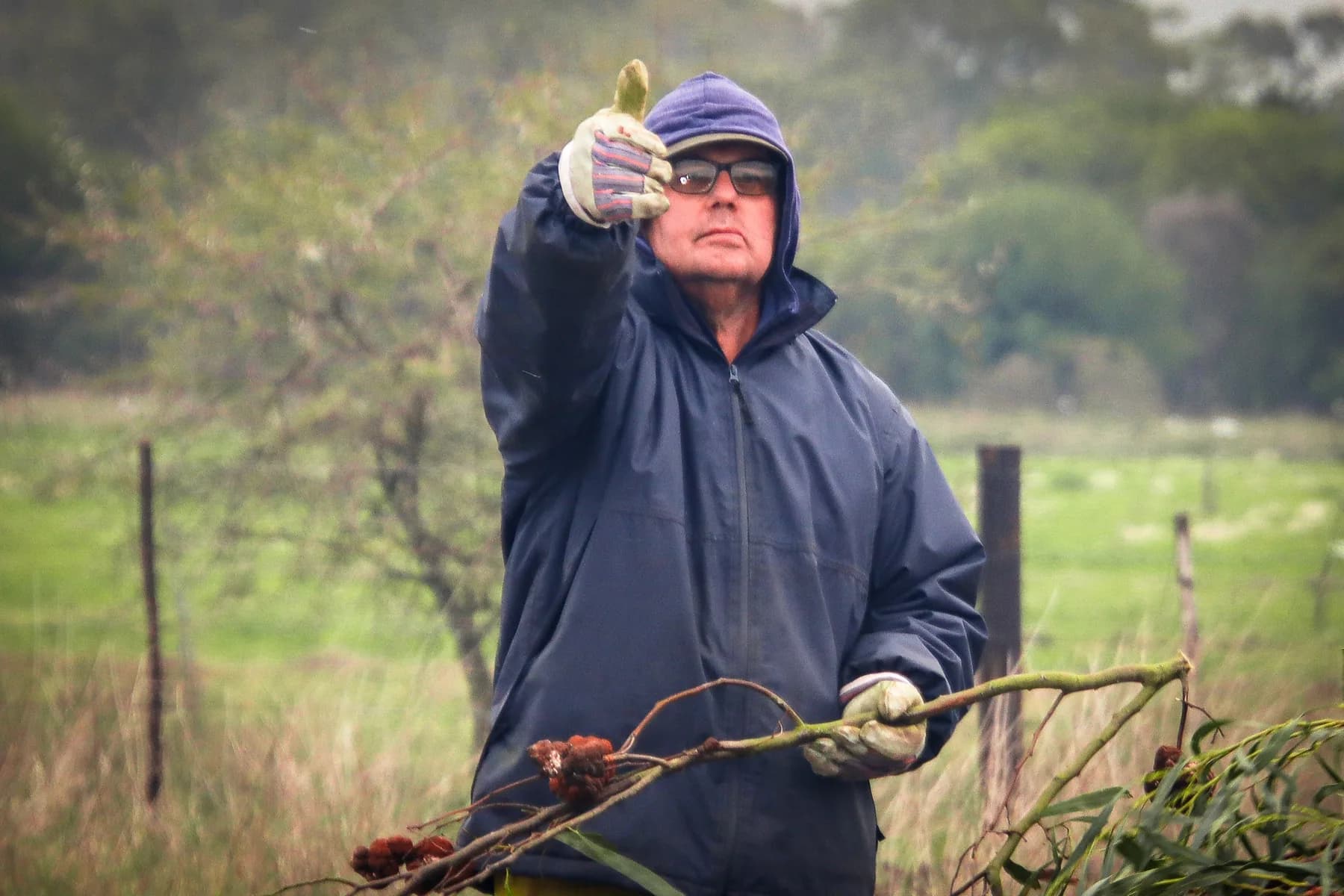
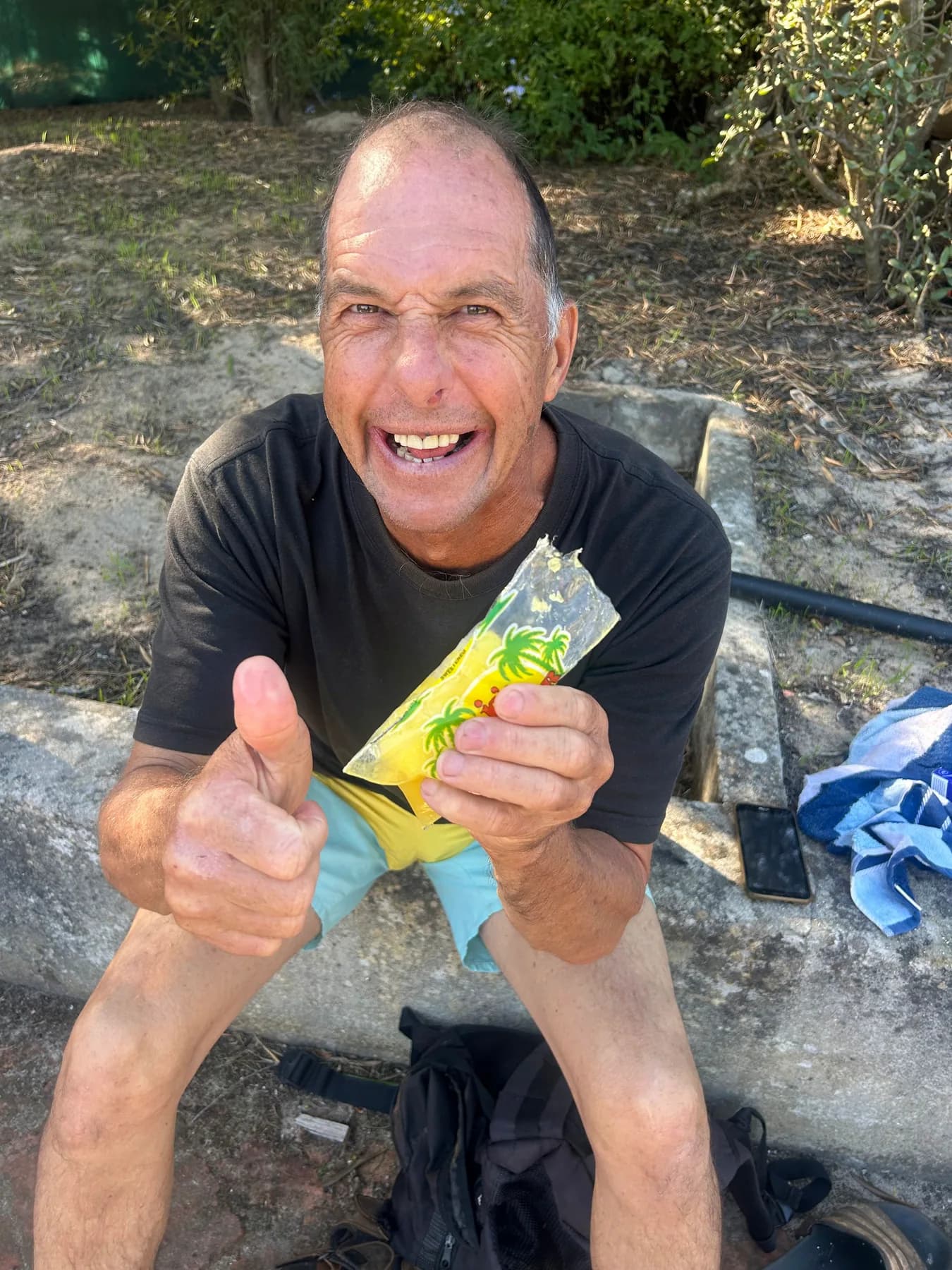
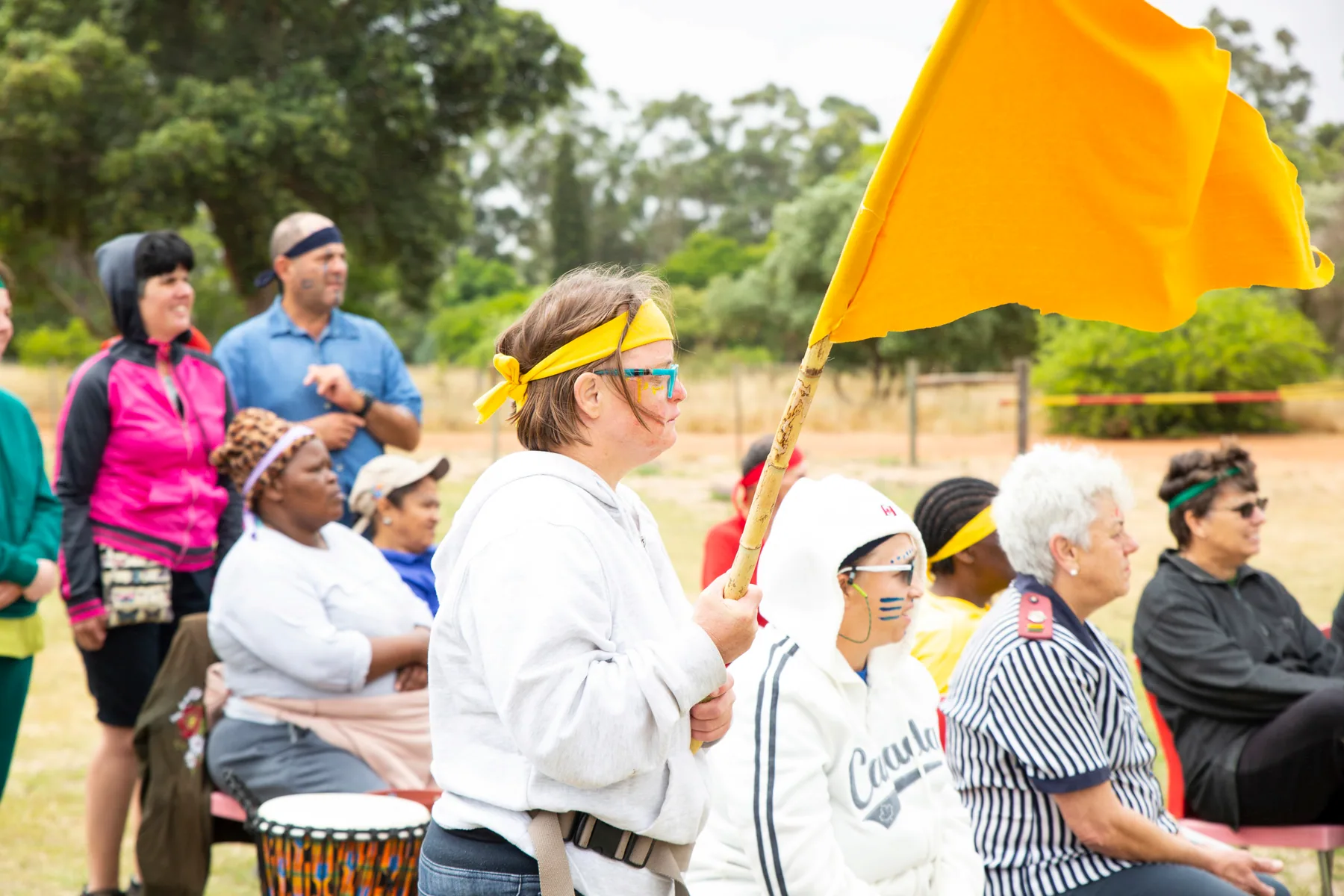
Every resident is valued as an individual, with unique strengths, needs, and potential. Personalised development and care plans support each person’s growth, with access to therapies, education, and skill-building opportunities.
Living your best life looks different for everyone. We strive to create a culturally rich and balanced life, where residents are empowered to make their own choices and shape their own journeys within a supportive and respectful community.
Our Roots
Camphill Village
Camphill Village is part of a worldwide movement that was started in Scotland in 1939 by Karl König, an Austrian paediatrician and educator, and several colleagues, inspired by the works of the philosopher and educator Rudolf Steiner. Rudolf Steiner pioneered Waldorf education, biodynamic agriculture, and new frontiers in science, the arts, sociology, medicine, and curative work.
Camphill in South Africa
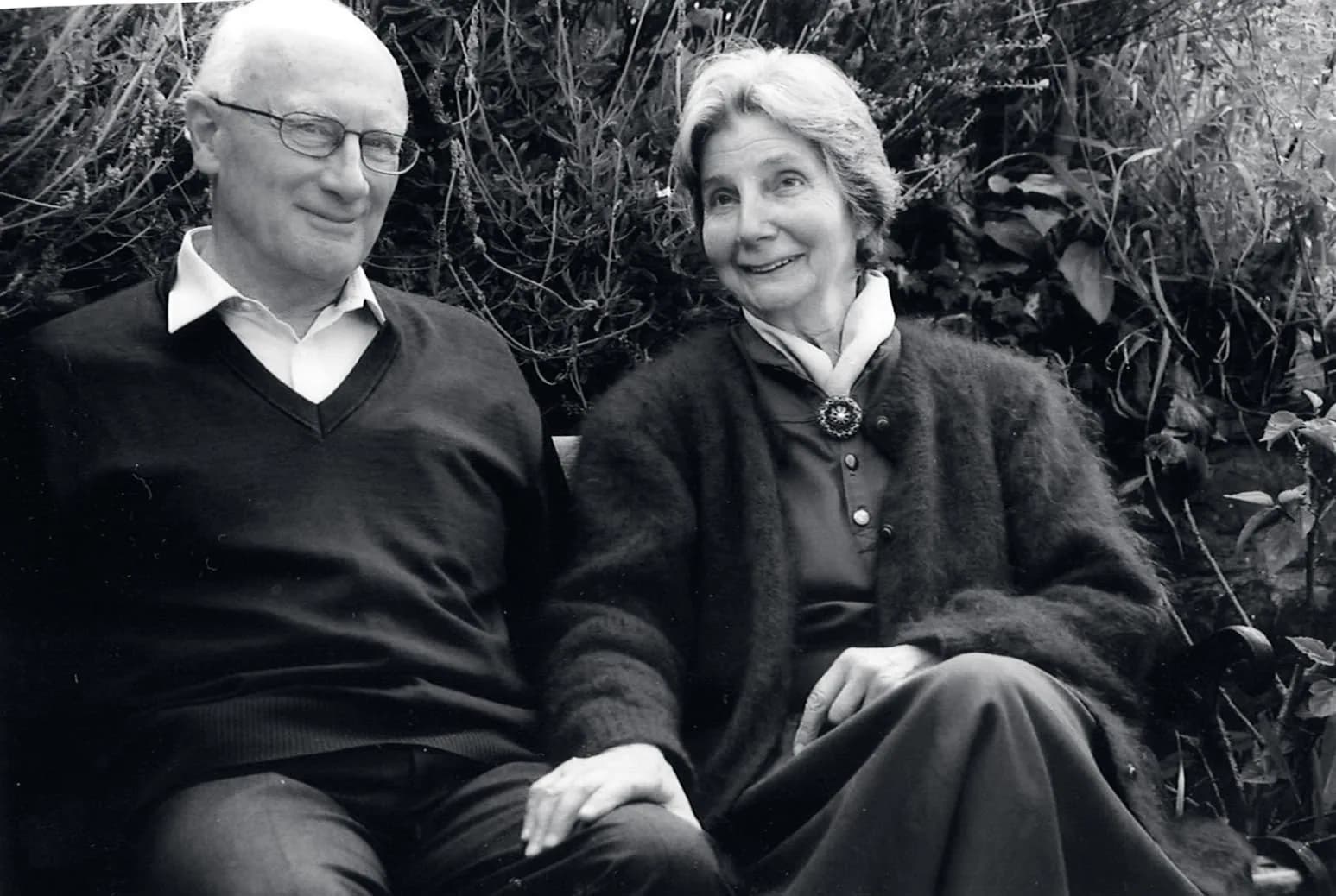
Camphill in South Africa began in 1952, when a mother invited Dr Karl König to establish a school for children with intellectual disabilities in Hermanus. As those children grew into adulthood, a new need emerged: to create a place where they could continue to live and work with dignity.
The Beginning of Camphill Village West Coast
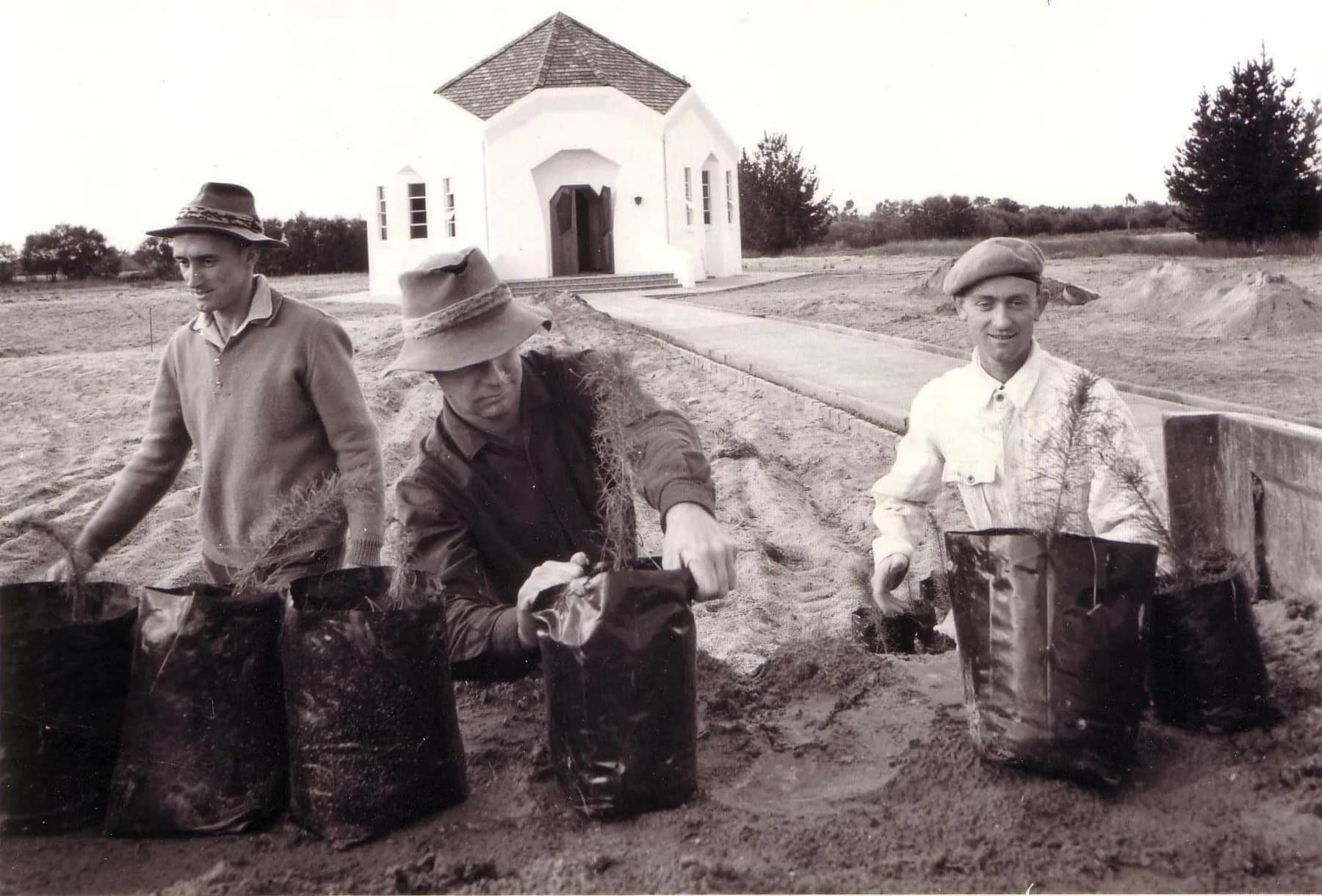
In 1964, a group of pioneers founded Camphill Village West Coast on a sandy farm. Together, with the first residents, they planted trees, built homes, and established workshops. Today, it has grown into a flourishing, tree-filled village and a deeply connected community, shaped by many hands and a shared vision.
Meaningful work for Every Individual
- Residents are supported to develop skills across our enterprises, according to their abilities and interests, encouraging confidence, independence, and a strong sense of purpose.
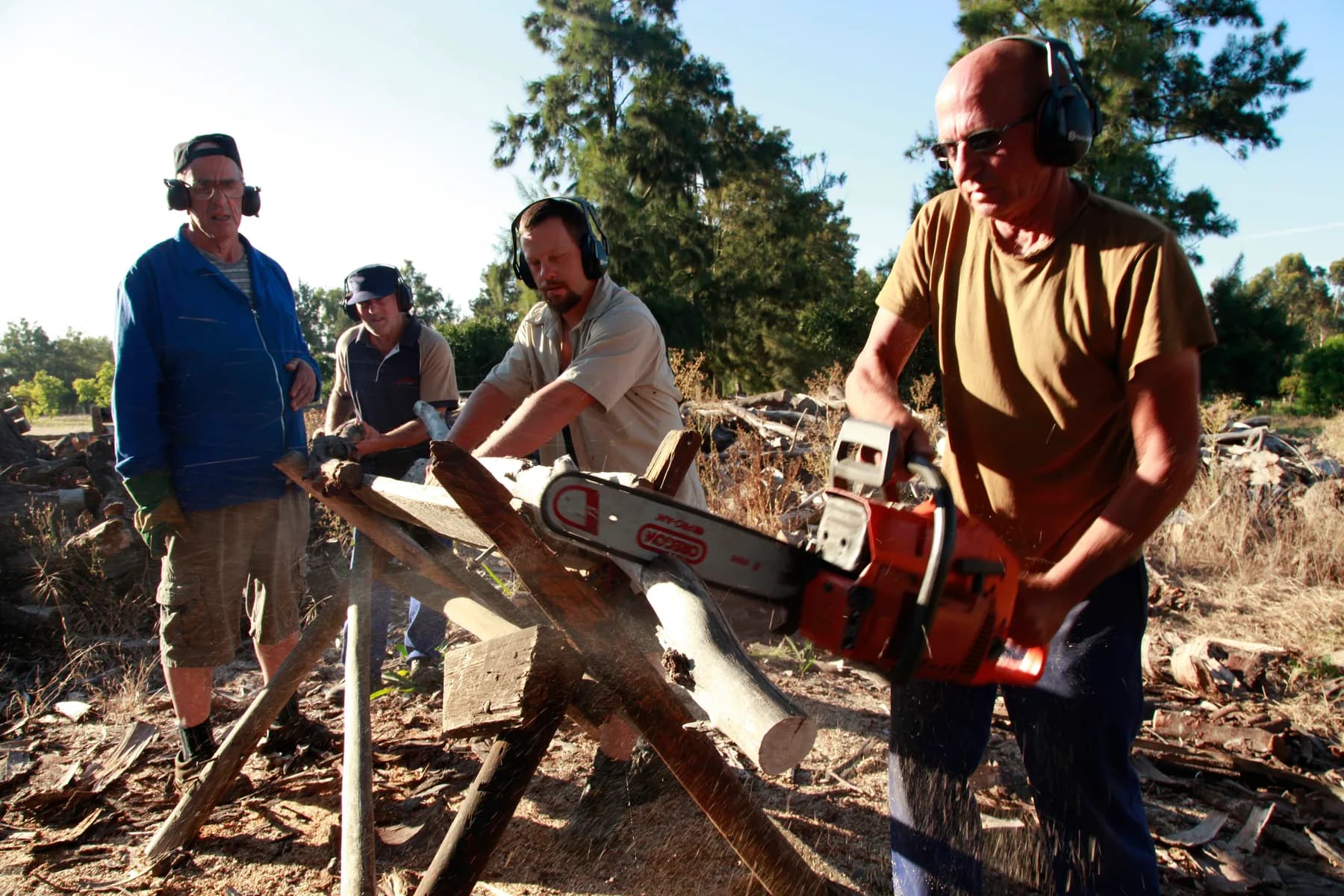
Many residents have had no formal education or training. Residents learn many life skills as part of daily life, helping around the group home and mastering small domestic tasks as part of a life-sharing community.
There is also specific training to help residents learn individual skills. Examples of these are training in personal hygiene, sexuality of the individual and social skills. Relationship coaching supports residents navigating relationships with each other.
Some learn to assist in the dairy, others learn skills in the herbal workshops making Camphill's range of products. Some residents work on the farm or in the vegetable garden. All of these enterprises equip the residents with training in useful skills and give them a sense of meaning, achievement and of contributing usefully to their community.
Support to Thrive
Each resident has an individual development and care plan, guided by home leaders and our wellbeing team. A range of therapies, including speech and movement therapy, supports wellbeing and personal development.
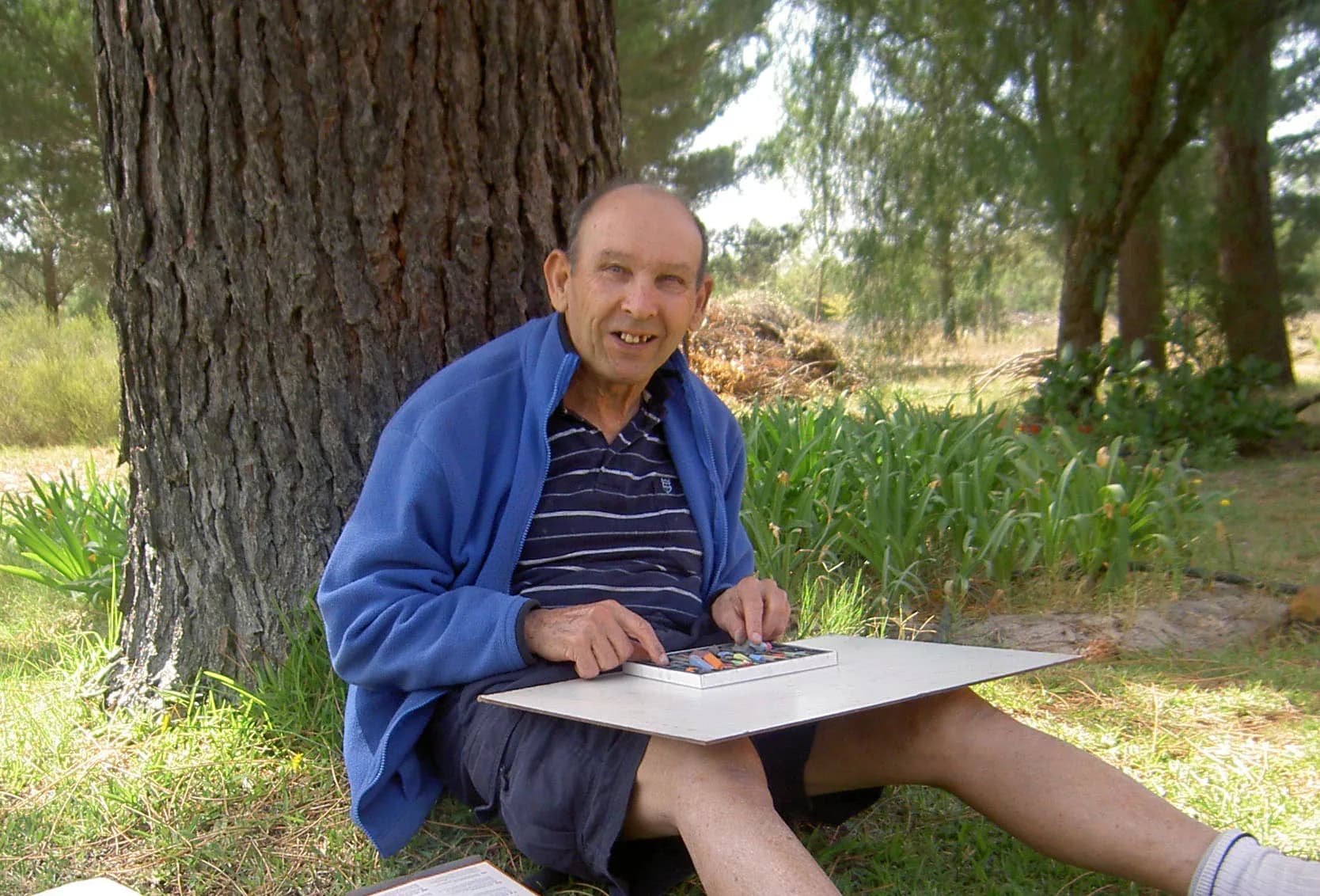
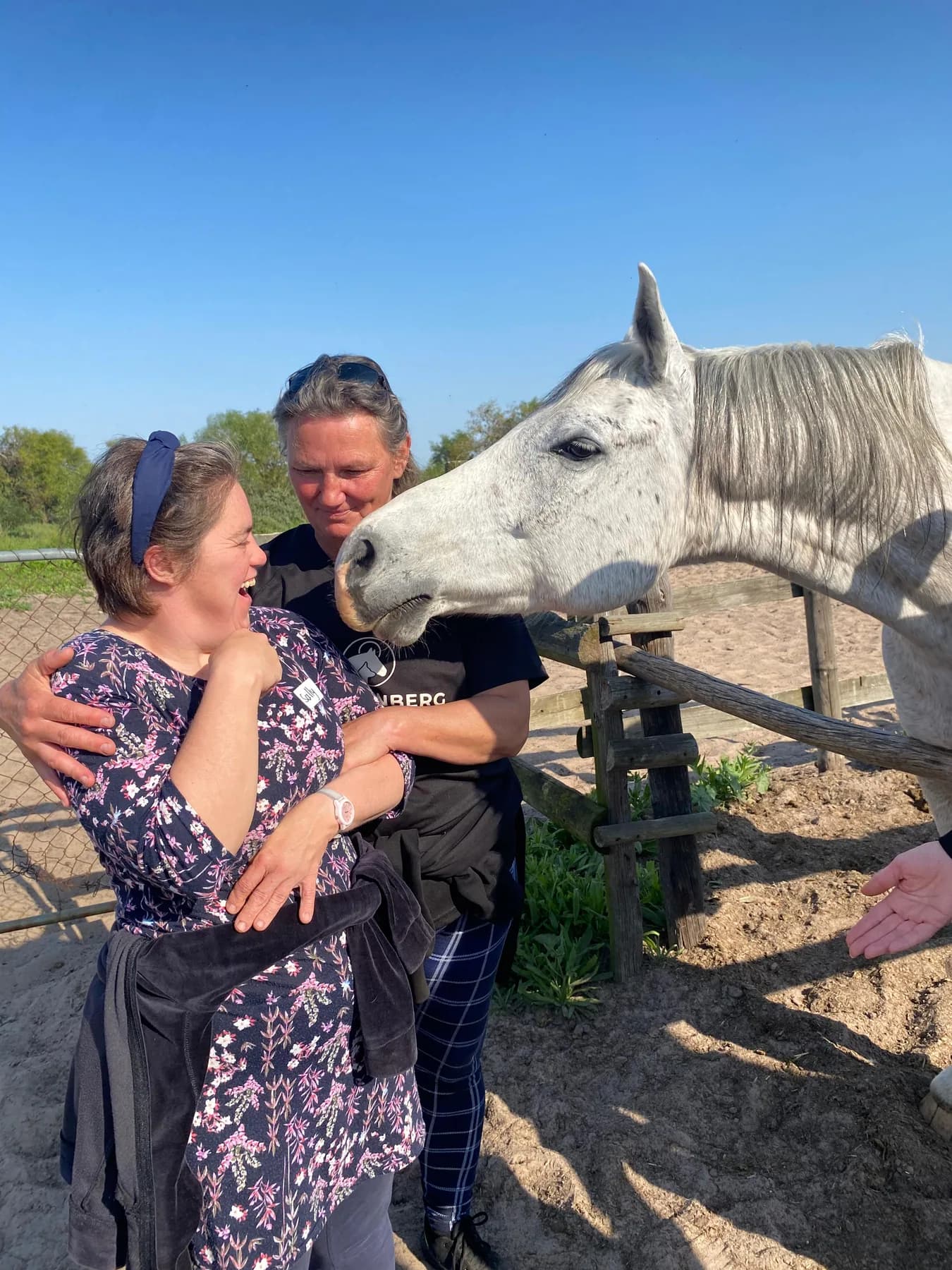
Equine and Creative Therapies
Equine therapy helps residents build trust, confidence, and emotional resilience. Creative therapies such as art and music offer further opportunities for expression, learning, and joy. Many residents also participate in reading, writing, and music lessons, culminating in an annual talent show.
Life beyond work
Life at Camphill includes a rich variety of recreational activities. From choir and theatre performances to soccer matches and swimming, there are many ways to connect, have fun, and be part of community life.
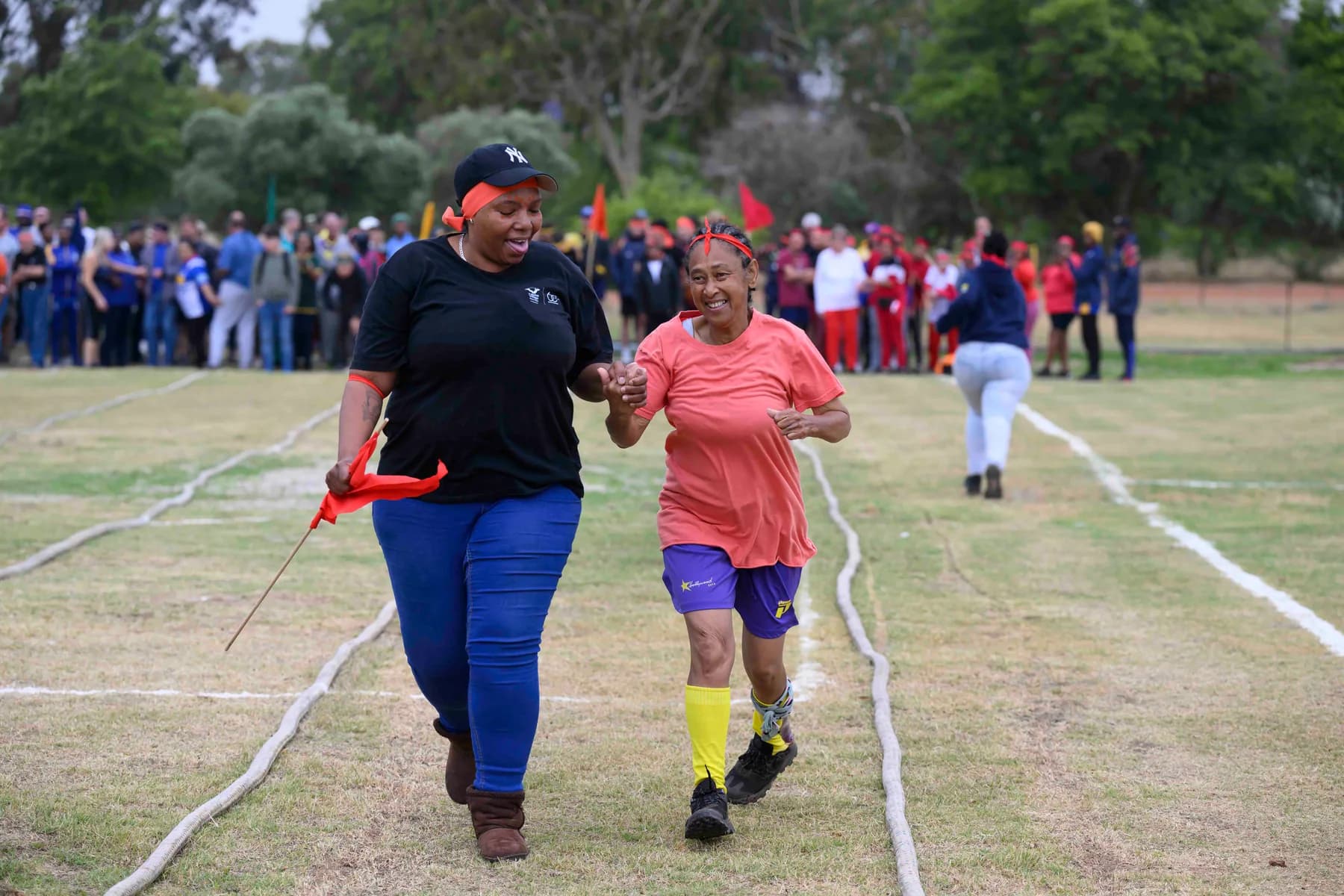
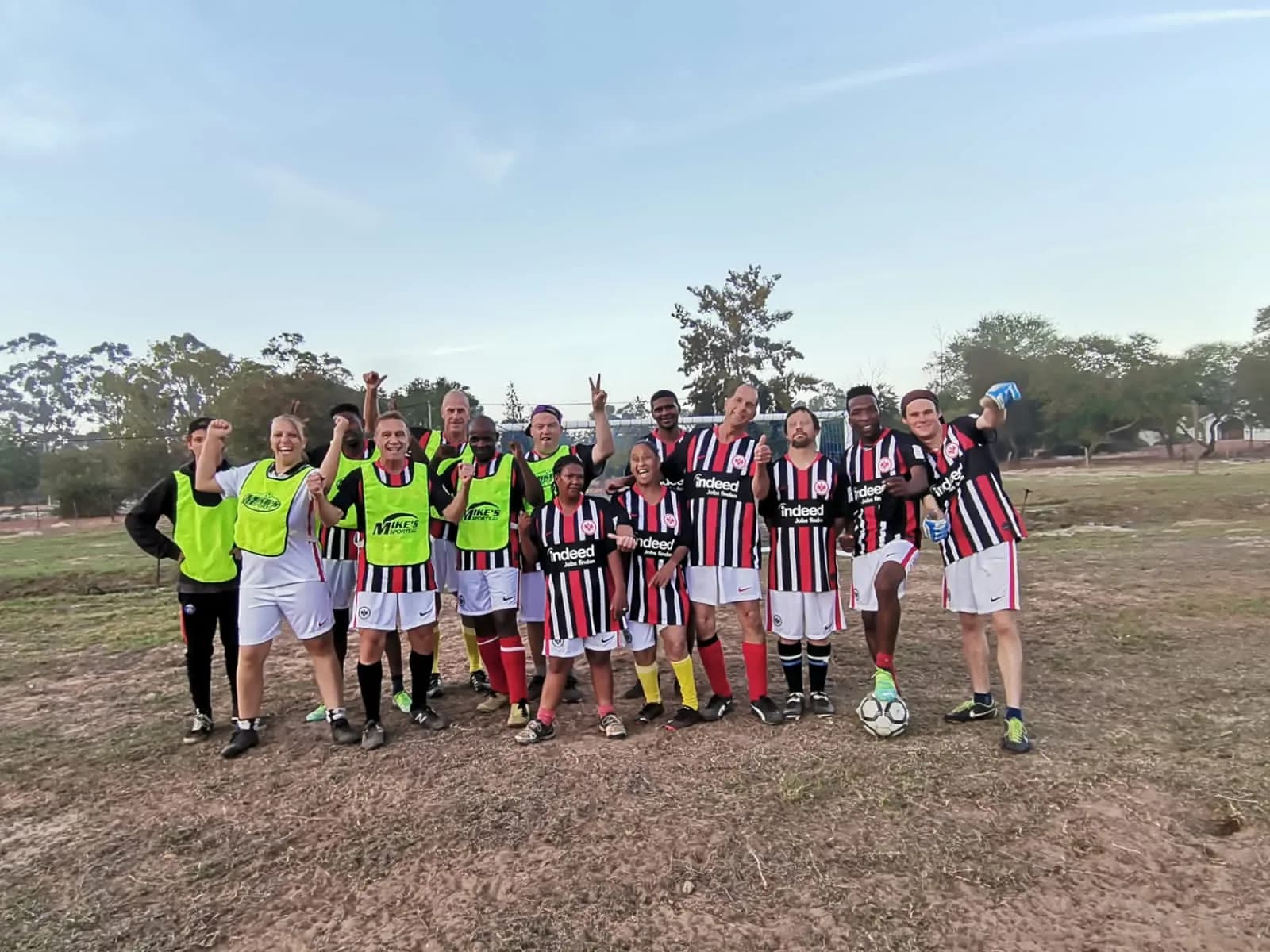
Outings and Social Connection
Each home organises regular outings, from hikes and beach visits to restaurants and cultural experiences. Our monthly market is a highlight, where residents welcome visitors, run stalls, assist with activities, and share in the vibrant atmosphere of community and celebration.
The team powering Camphill Village
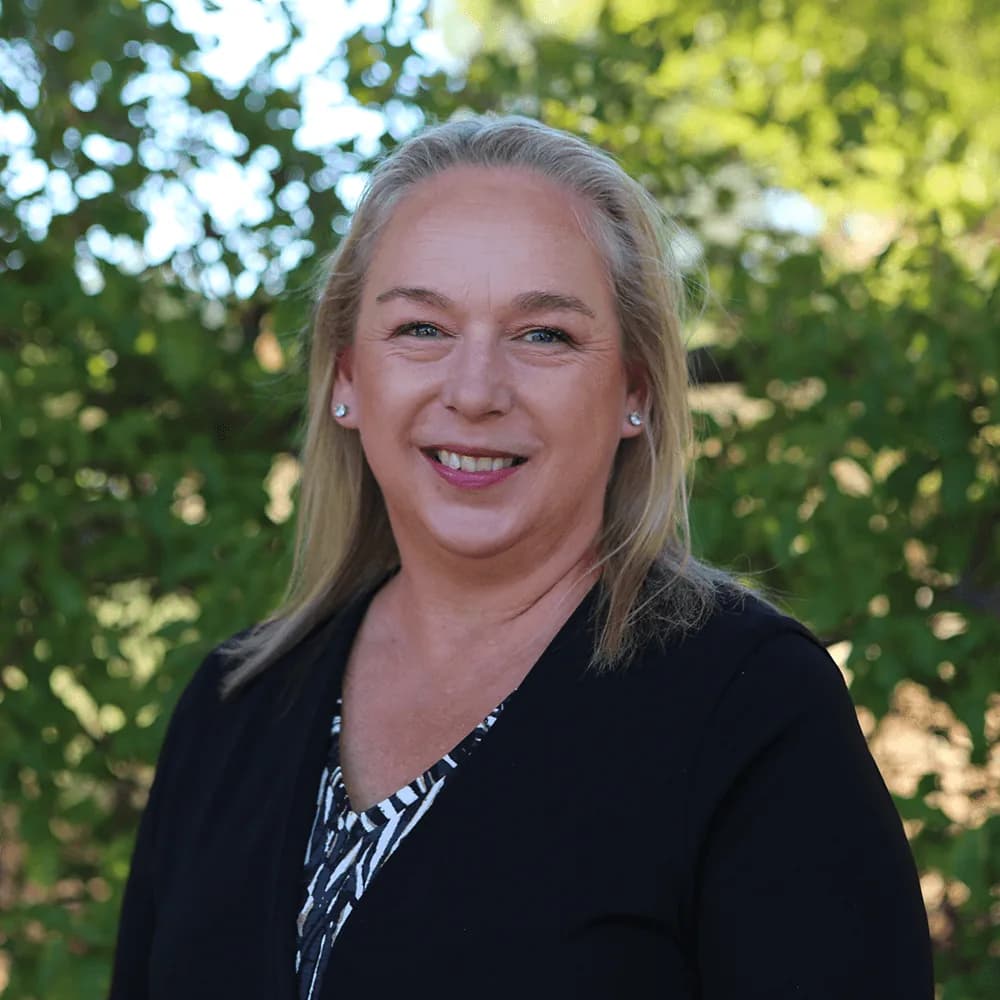
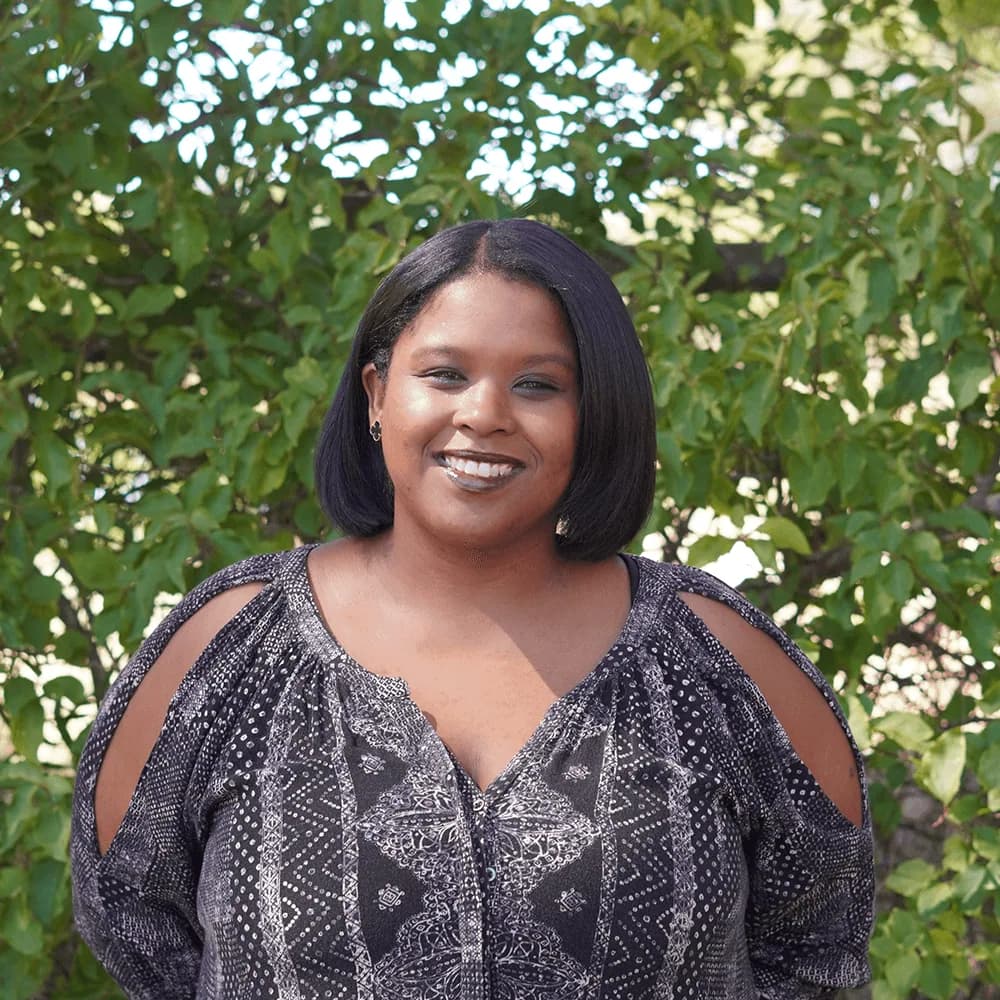
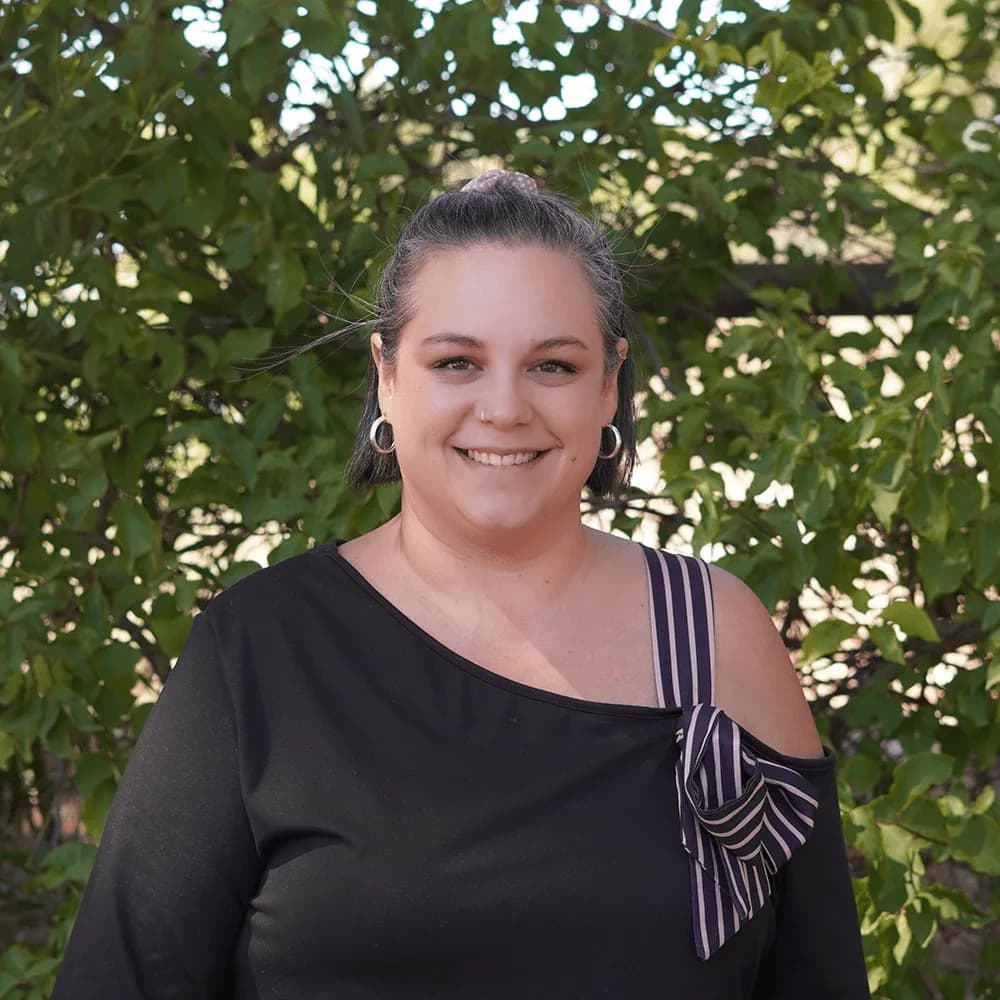
Board of Directors
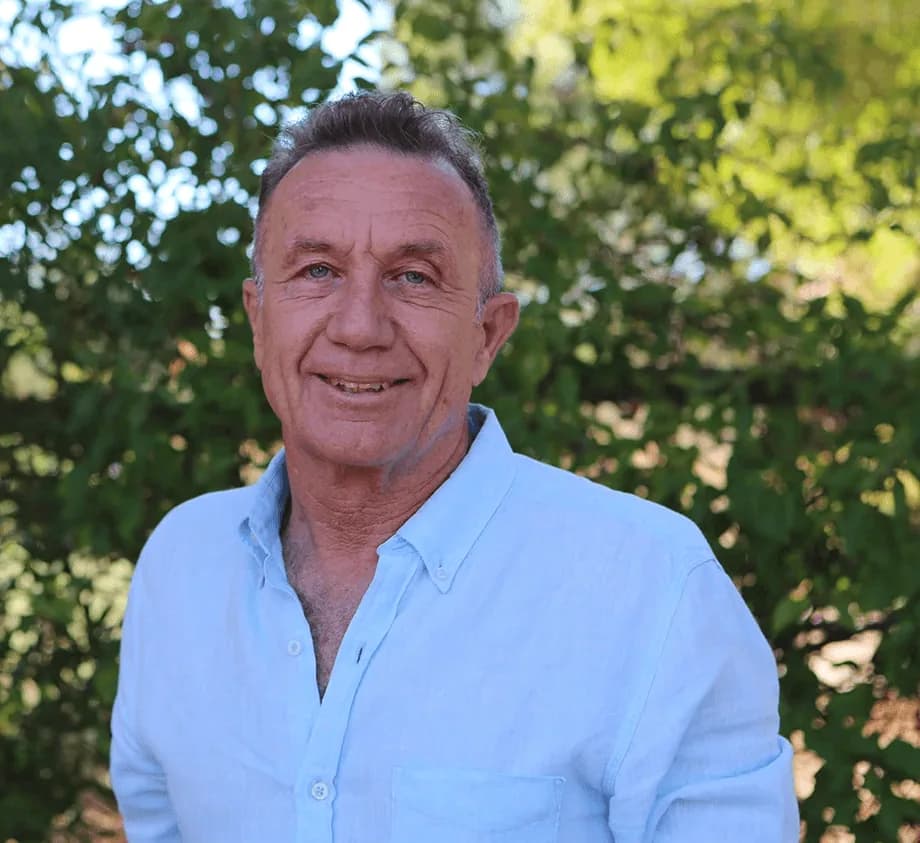
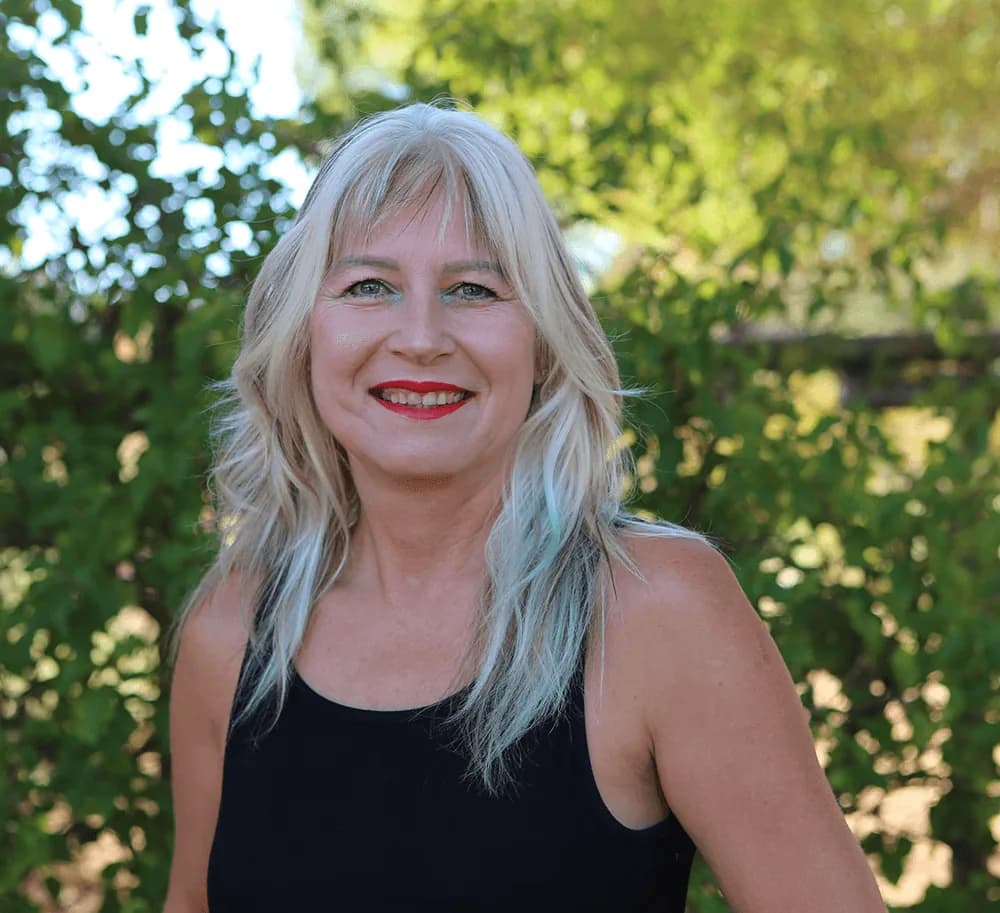
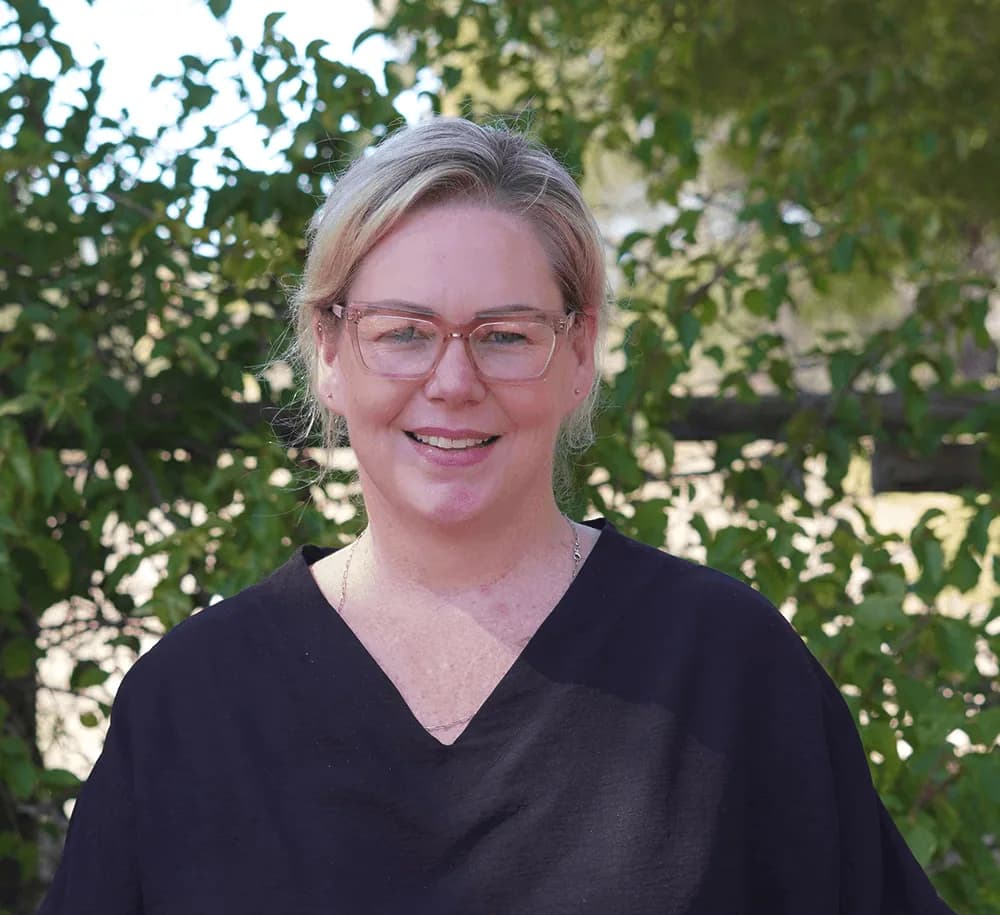
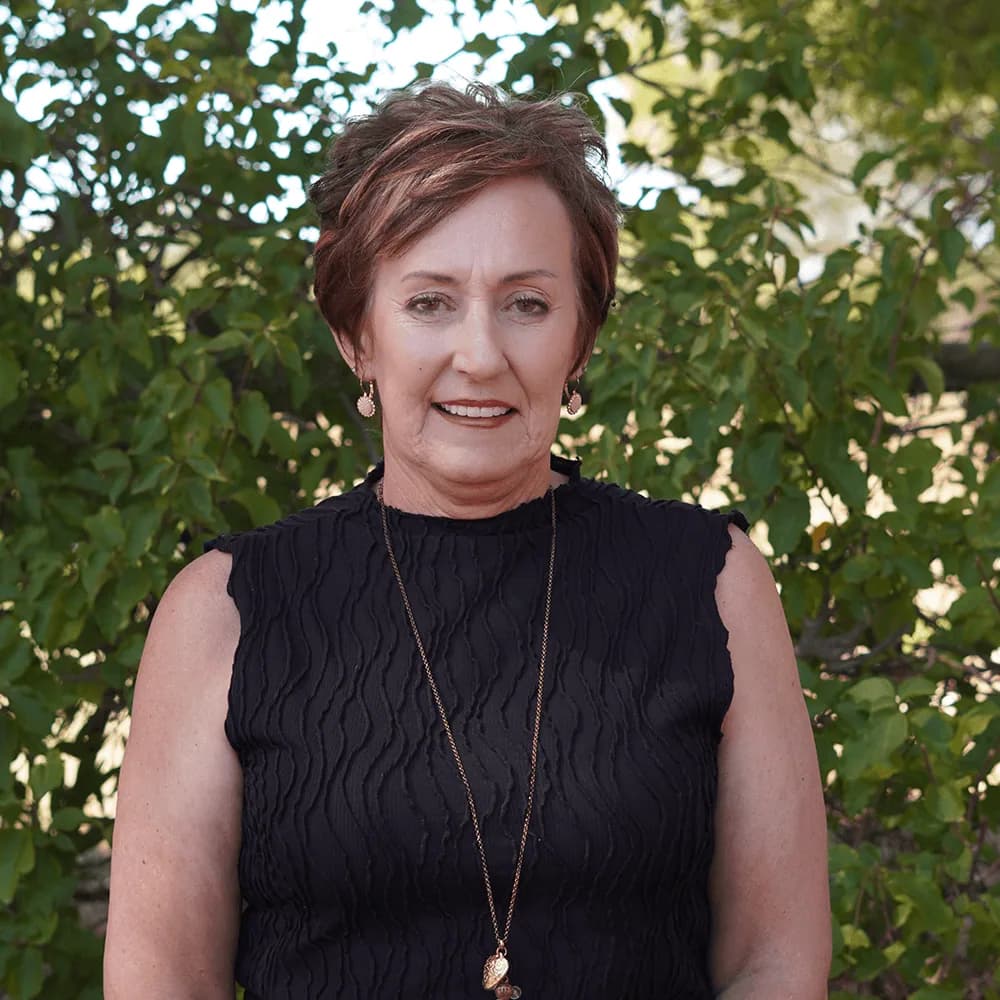
Camphill Village NPC is governed by a Non-Executive Board of Directors who provide strategic oversight, guidance and support to the organisation, helping to ensure that it remains well governed, financially responsible and true to its mission.
Our Board brings a diverse wealth of knowledge and experience across areas including government and healthcare, social work, coaching and leadership, construction, management, finance, marketing and entrepreneurship. This breadth of expertise strengthens the organisation’s decision-making and provides valuable guidance to management.
The Board meets quarterly throughout the year, with an Annual General Meeting (AGM) held each year. At the AGM, the Board reports to the members on the organisation’s activities and presents the audited annual financial statements, providing transparency and accountability to our members and wider community.